

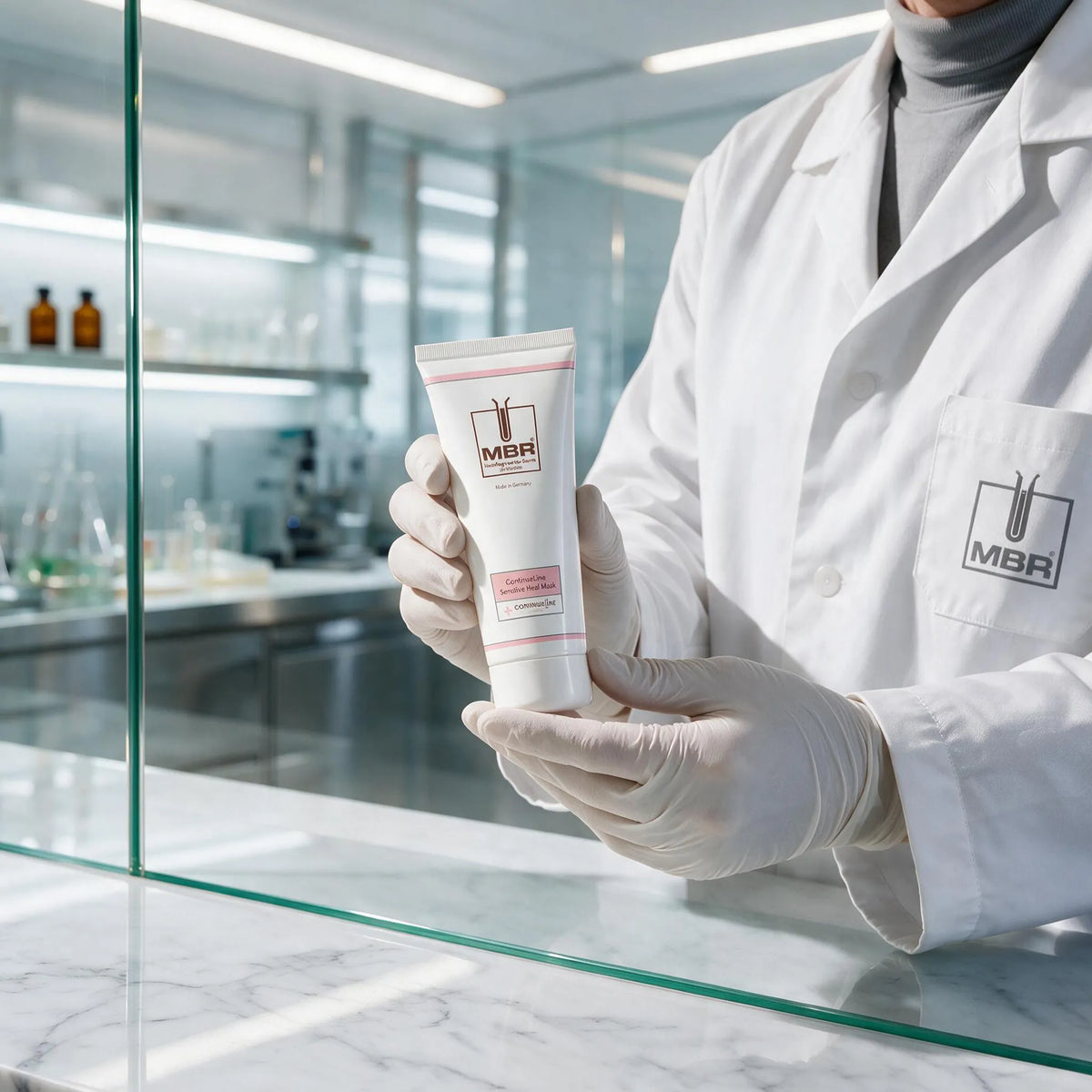
Hardly any ingredient is as well known in skincare as hyaluronic acid. It is found in serums, creams and masks and is considered a true moisture specialist. But what exactly does it do in the skin, and how do you use it correctly so that it really works?
What is hyaluronic acid?
Hyaluronic acid, often simply called hyaluron, is a substance that occurs naturally in the body. It is found in the connective tissue, in the joints and in large quantities in the skin. There it binds water and helps keep the skin plump and supple.
From around the age of 25, the body's own production of hyaluronic acid gradually decreases. The skin can store less moisture, appears less plump and fine lines become more visible. Learn more about this process in our guide skin ageing.
How hyaluronic acid works in skincare
A powerful moisture binder
Hyaluronic acid can bind many times its own weight in water. Applied to the skin, it attracts moisture and holds it in the upper skin layers. The skin feels smoother and more supple, and fine dryness lines appear less visible.
Why molecular size matters
Not all hyaluronic acid is the same. The size of the molecules determines where it works:
- High-molecular hyaluronic acid forms a fine, moisturising film on the surface of the skin and reduces moisture loss.
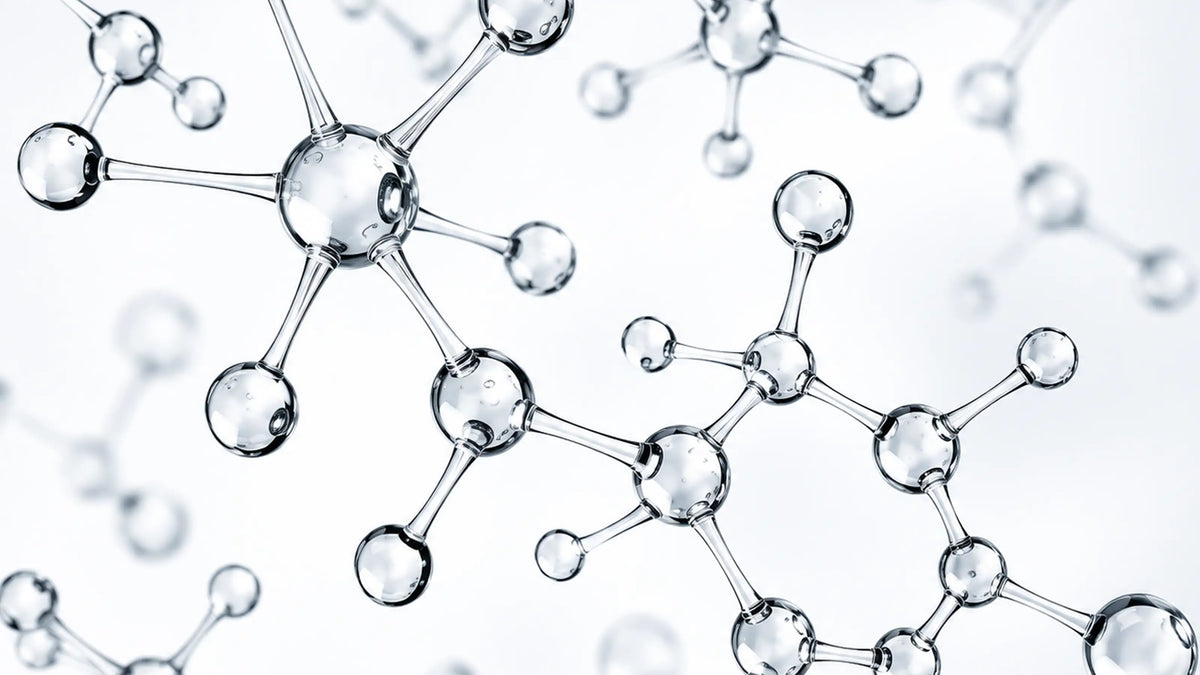
- Low-molecular hyaluronic acid is smaller and can reach the upper layers of the horny layer, where it binds moisture.
Many modern formulations combine different molecular sizes to supply moisture both on the surface and in the upper skin layers.
What hyaluronic acid can and cannot do
Topically applied hyaluronic acid supplies the skin with moisture and makes it look plumper and smoother. It cannot replace the volume effect of hyaluronic acid fillers. These are injected by doctors and are a medical treatment, not skincare.
Who is hyaluronic acid suitable for?
Hyaluronic acid is very well tolerated and suits almost every skin type:
- Dehydrated skin that lacks water. Read more about the difference to dry skin in our guide dry skin.
- Mature skin whose own hyaluronic acid production is decreasing.
- Oily and combination skin that needs moisture without heavy lipids.
- Sensitive skin, as hyaluronic acid is generally very well tolerated.
How to use hyaluronic acid correctly
- Apply to slightly damp skin: hyaluronic acid works best when it finds moisture it can bind.
- Seal with a cream: follow up with a cream containing lipids so that the bound moisture does not evaporate. This is especially important in dry indoor air.
- The right order: as a serum or gel, hyaluronic acid comes after cleansing and toner and before the cream. Our guide skincare routine order explains the correct sequence.
- Morning and evening: hyaluronic acid can be used twice a day and combines well with almost all other ingredients.
Our care with hyaluronic acid
- The Gentle Moisturizing Gel combines hyaluronic acid with Pentavitin. The lightweight gel provides lasting moisture without a heavy or oily finish, ideal for normal to combination skin.
- The Hyaluron Mask combines hyaluronic acid with HyaCare and Filmexel. As an intensive mask, it delivers a concentrated moisture step and cares for the appearance of fine lines.
Frequently asked questions about hyaluronic acid
Can hyaluronic acid dry out the skin?
In very dry air, hyaluronic acid can draw moisture from deeper skin layers if there is too little moisture in the environment. That is why it is important to apply it to damp skin and seal it with a cream.
Can I combine hyaluronic acid with retinol or vitamin C?
Yes, hyaluronic acid combines well with almost all ingredients. It can even help to make the skin more comfortable when using more demanding actives.
Is hyaluronic acid suitable during pregnancy?
Topically applied hyaluronic acid is a substance that also occurs naturally in the body and is generally considered well tolerated. If you are unsure, please talk to your doctor.


Share:
Acne Scars: What Really Helps?
Dry Skin: Causes and How It Differs from Dehydrated Skin