

Retinol is one of the most effective anti-aging actives, but many people find it irritating. This is where bakuchiol comes in. The plant-based active is considered a gentle alternative to retinol and is suitable for sensitive skin too. Here you will find out how bakuchiol works and how it compares to retinol.
What is bakuchiol?
Bakuchiol is obtained from the seeds of the babchi plant (Psoralea corylifolia), which has been used in traditional Indian and Chinese medicine for centuries. In skincare, the purified active has been used for several years, mainly for mature and sensitive skin.
How does bakuchiol work?
Chemically, bakuchiol has nothing in common with retinol. In the skin, however, it activates similar processes:
- Supports collagen: bakuchiol stimulates the skin's own collagen production, making the skin look firmer and smoother.
- Smooths fine lines: with regular use, the look of fine lines and wrinkles is visibly reduced.
- Evens out skin tone: bakuchiol helps to even out the look of dark spots and an uneven complexion.
- Antioxidant protection: it protects the skin from free radicals.
A twelve-week study published in 2019 compared bakuchiol and retinol directly. Both actives visibly reduced wrinkles and pigmentation to a similar extent, but bakuchiol caused significantly less dryness and stinging.
Bakuchiol vs. retinol: the differences
- Tolerability: retinol often causes redness, flaking and tightness at the beginning. Bakuchiol is much gentler.
- Light stability: retinol breaks down in light and is therefore only used in the evening. Bakuchiol is light-stable and can also be used in the morning.
- Getting started: retinol requires a slow introduction. Bakuchiol can be used daily right from the start.
- Origin: retinol is a form of vitamin A, bakuchiol is plant-based.
Who is bakuchiol suitable for?
Bakuchiol is particularly suitable for anyone who wants the benefits of a retinol-like active without irritation: sensitive skin, dry and mature skin, skin that has not tolerated retinol well, and anyone who is just starting with anti-aging actives. If you are pregnant or breastfeeding, please ask your doctor before using new actives.
How to use bakuchiol correctly
Apply your bakuchiol care morning and/or evening to cleansed skin. Because bakuchiol is gentle, it can be combined with most other actives, such as hyaluronic acid, peptides or niacinamide. Daily sun protection remains important, as with any anti-aging care.
Our creams with bakuchiol
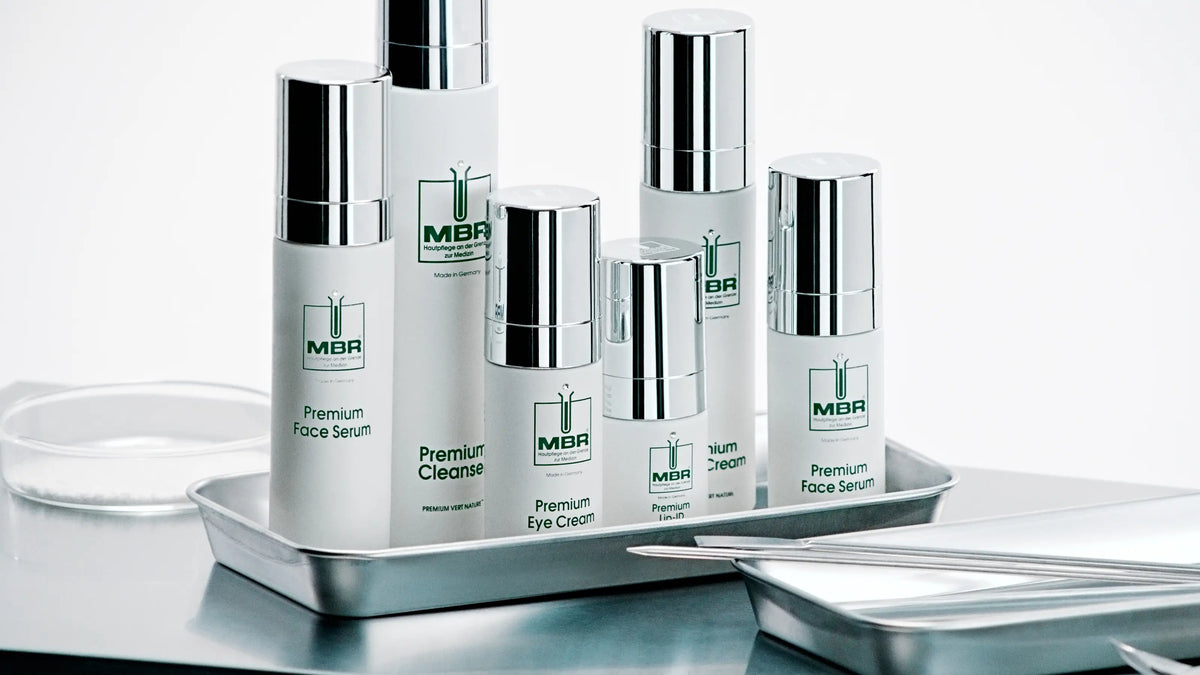
- The Cream Special combines bakuchiol with avocado oil and magnolia extract and conditions, calms and strengthens the resilience of mature, demanding skin.
- The Night Face Cream combines bakuchiol with evening primrose oil and a ceramide complex and supports the skin overnight.
More gentle alternatives to retinol can be found in our collection vitamin A cream and gentle retinol alternatives. Which actives really work against wrinkles is explained in our guide how to find the best anti-aging cream.
Frequently asked questions about bakuchiol
Is bakuchiol as effective as retinol?
Studies show comparable effects on wrinkles and pigmentation, with significantly better tolerability. Retinol is better researched overall, as it has been used for much longer.
Can I combine bakuchiol and retinol?
Yes. Some people use bakuchiol in the morning and retinol in the evening. Bakuchiol is also a good alternative on evenings when your skin needs a break from retinol.
How long does it take for bakuchiol to work?
The skin often feels smoother after a few weeks. Visible effects on wrinkles and pigmentation usually appear after around twelve weeks of regular use.


Share:
Vitamin C Serum: Benefits & Use, Morning or Evening?
Calming Irritated Skin: Causes & Gentle Care