

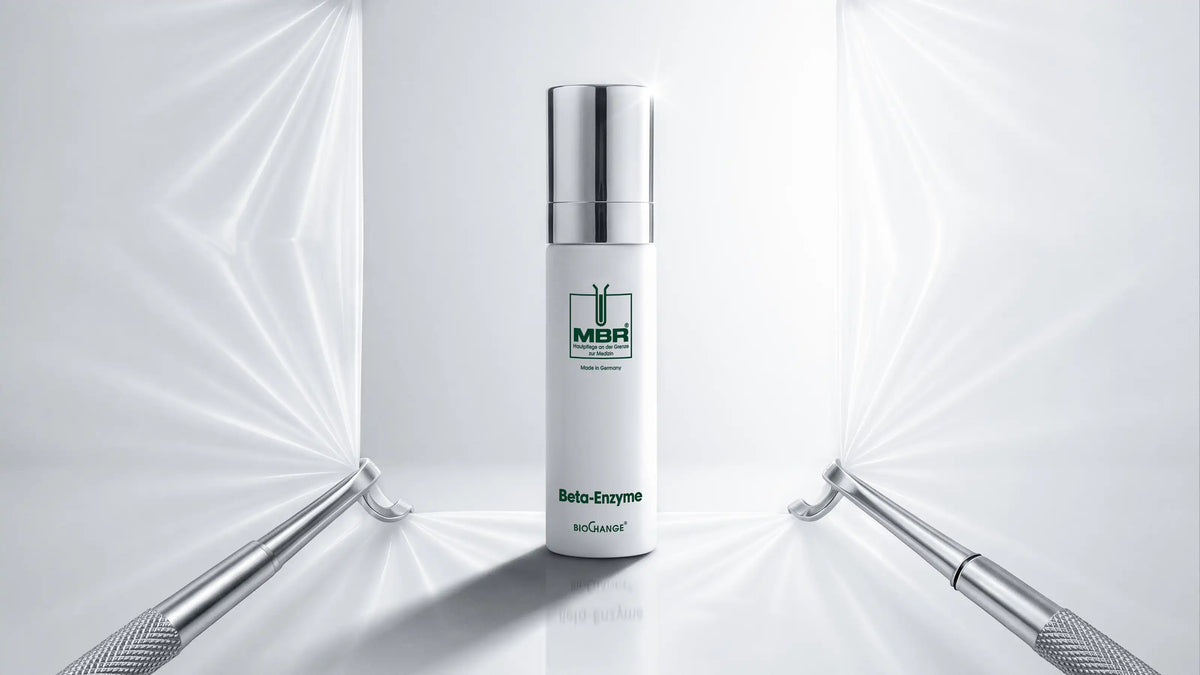
A fruit acid peel is one of the most effective ways to refine the complexion. Acids such as glycolic and lactic acid loosen dead skin cells, refine the look of pores and make the skin look more even. The treatment is available at the beautician's and in a milder form for home use. In this guide, you will find out how a fruit acid peel works, what to expect and how to care for your skin afterwards.
What is a fruit acid peel?
A fruit acid peel is a chemical peel with alpha hydroxy acids (AHAs). These acids were originally obtained from fruit, milk or sugar cane, which is where the name comes from. They dissolve the bonds between the dead cells of the outermost skin layer, so that these detach without rubbing.
How a fruit acid peel works
Glycolic acid, lactic acid and other AHAs
Glycolic acid has the smallest molecule and works most intensively. Lactic acid is milder and also binds moisture. The effect depends on the type of acid, its concentration and the pH value of the product.
What a fruit acid peel can achieve
- Finer pores and a smoother texture
- A more even complexion with fewer dark spots and blemish marks
- Fresher, more radiant skin
- Visibly softened fine lines with regular use
- Better absorption of the care that follows
Fruit acid peel at the beautician's
In a beauty salon or medical practice, higher acid concentrations are used. After cleansing, the acid is applied and left on for a few minutes, depending on the skin's reaction, and then neutralised. A slight tingling or warming is normal. Professional peels are usually performed as a course of four to six treatments at intervals of two to four weeks.
Fruit acid peel before and after: what to expect
Directly after the treatment, the skin is often reddened and may flake slightly over the following days. After a few days, it looks fresher and more even. The full result usually appears after several sessions.
Fruit acid peel at home
Peels for home use contain lower concentrations and are designed for regular use. They are a good way to maintain the result between professional treatments or to start gently:
- Intensive: the CytoLine Skin Refiner 100 with highly pure glycolic acid is left on for about 15 minutes and then rinsed off.
- Overnight: the Overnight Refiner releases glycolic and lactic acid gently while you sleep.
All products can be found in our AHA peel collection. If your skin is sensitive to acids, an enzyme peel is a gentler alternative.
Care after a fruit acid peel
After a peel, the skin barrier is temporarily weakened. The right care helps the skin calm down and regenerate:
- Soothe and hydrate: the ContinueLine Cell & Tissue Activator with hyaluronic acid and ChroNoline provides intensive moisture.
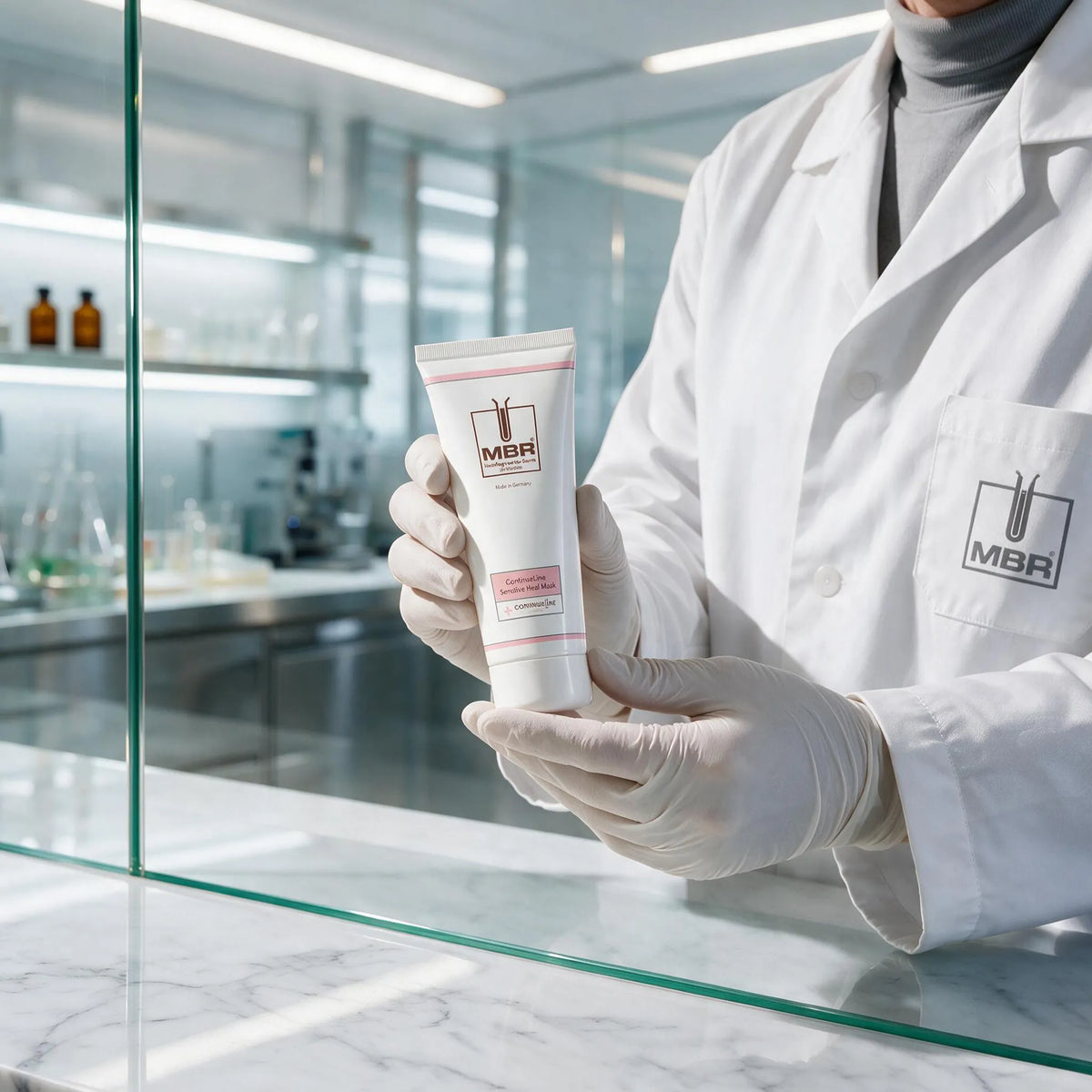
- Gentle mask: once the skin has calmed down, the Sensitive Heal Mask with Ectoin and argan oil cleanses gently and calms.
- Pause actives: no further acids, retinoids or scrubs for about a week after a professional peel.
- Sun protection: fruit acids make the skin more sensitive to light. Use a high SPF every day, for example from our face sunscreen collection.
More products for the time after a treatment can be found in our collection care after aesthetic treatments.
Who should avoid a fruit acid peel?
Avoid a fruit acid peel on inflamed or injured skin, with sunburn, active cold sores or during treatment with retinoids. With rosacea, very sensitive skin or during pregnancy, please consult a doctor beforehand.
Frequently asked questions about fruit acid peels
How often should you have a fruit acid peel?
Professional peels are usually done as a course every two to four weeks. Milder home products can be used more often, depending on the product. If your skin is not used to acids, start with two to three applications a week.
Does a fruit acid peel hurt?
A slight tingling or warming is normal. If the skin burns severely, the acid is neutralised or rinsed off immediately.
Fruit acid peel or microdermabrasion?
Both refine the surface of the skin. A fruit acid peel works chemically and evenly, microdermabrasion works mechanically. For deeper skin layers, microneedling is an option.
Does a fruit acid peel help against dark spots?
It can visibly lighten superficial pigmentation, especially in combination with brightening care and consistent sun protection. More on this in our guide removing dark spots.


Share:
Microdermabrasion: Effects, Procedure & Aftercare
What Helps Against Cellulite? Causes of Orange Peel Skin & Care