

It sounds unusual, but it is one of the big skincare trends: PDRN, often called salmon DNA. Originally known from aesthetic medicine in Korea, PDRN is now also found in serums, creams and masks. But what exactly is it, and what can it do when applied to the skin?
What is PDRN?
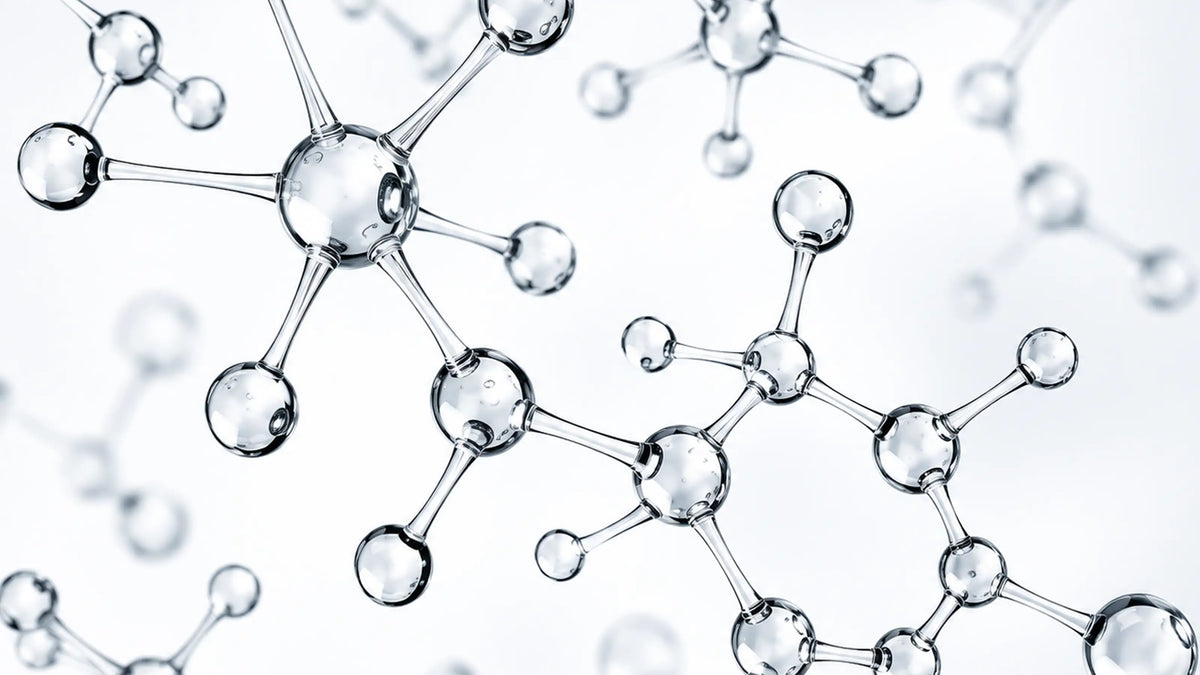
PDRN stands for polydeoxyribonucleotide. These are fragments of DNA, the genetic material found in every cell. For cosmetic and medical use, PDRN is usually obtained from the reproductive cells of salmon or trout, because their DNA is very similar in structure to human DNA and can be purified well.
PDRN should not be confused with polynucleotides (PN). Both come from fish DNA, but polynucleotides consist of longer DNA chains and are mainly used in medical injection treatments.
How is PDRN supposed to work?
PDRN has been studied in medicine for years. Research suggests that the DNA fragments activate certain receptors in the tissue and can thus support the skin's natural renewal processes. In laboratory studies, PDRN has been associated with:
- stimulation of cells that produce collagen
- a calming effect on stressed skin
- support of the skin's natural renewal
PDRN injections vs. PDRN serum
Injections in aesthetic medicine
In aesthetic practices, PDRN is injected directly into the skin, often under the name "skin booster". This is a medical treatment that may only be carried out by doctors.
PDRN in skincare products
Serums and creams with PDRN are applied to the surface of the skin. Here lies the crucial question: DNA fragments are comparatively large molecules, and the skin barrier is designed to keep large molecules out. How much PDRN actually reaches the deeper skin layers through topical application has not yet been sufficiently researched.
What does the research say?
The research on PDRN is promising but still limited:
- Most studies examine PDRN as an injection or in a medical context, not as a cosmetic ingredient.
- Many positive findings come from laboratory studies on cells, not from studies on human skin.
- There are only a few independent studies on topically applied PDRN, often with small numbers of participants.
Our assessment: PDRN is an exciting active ingredient, but the evidence for skincare products is not yet strong. If you would like to try a PDRN serum, it can complement a good basic routine. However, it is not a substitute for proven ingredients and daily sun protection.
Proven alternatives for firmer-looking skin
If you are interested in PDRN because you want to support the firmness and resilience of your skin, there are well-researched ingredients:
- Peptides: signal peptides support the skin's own collagen production and make the skin look firmer.
- Hyaluronic acid: plumps the skin with moisture. More in our guide hyaluronic acid.
- Retinol alternatives: gentle alternatives such as bakuchiol support skin renewal. More in our guide bakuchiol.
- Vitamin C: protects against free radicals and supports collagen formation. More in our guide vitamin C serum.
Our care for firm, resilient skin
Our products do not contain PDRN. Instead, we rely on documented actives with a clear effect profile:
- The Cross Lift Serum Ultrapeptide combines the peptides LIFTONIN-XPRESS and Syn-Ake with ChroNoline. It supports firmer-looking skin with an effect that builds up over consecutive weeks.
- The THE BEST Night Mask with the MBR FibroBoost Complex and Hydranov-P cares for the skin overnight and supports a more resilient-looking skin surface.
You can find out more about how the skin changes with age in our guide skin ageing.
Frequently asked questions about PDRN
Is PDRN vegan?
No. Classic PDRN is obtained from fish. Some manufacturers now offer plant-based alternatives, but these are not identical to PDRN from salmon DNA.
Who is a PDRN serum suitable for?
PDRN is generally considered well tolerated. People with a fish allergy should check with a doctor before use.
Can a PDRN serum replace a skin booster treatment?
No. Injections deliver the active ingredient directly into the skin. A serum works on the surface. The effects cannot be compared.


Share:
Glass Skin: How to Achieve an Even Glow