


After hyaluronic acid, peptides and PDRN, a new term is making the rounds in skincare: exosomes. They are being promoted in serums, in treatments after microneedling and in aesthetic practices. But what are exosomes, and how much of the hype is backed by science?
What are exosomes?
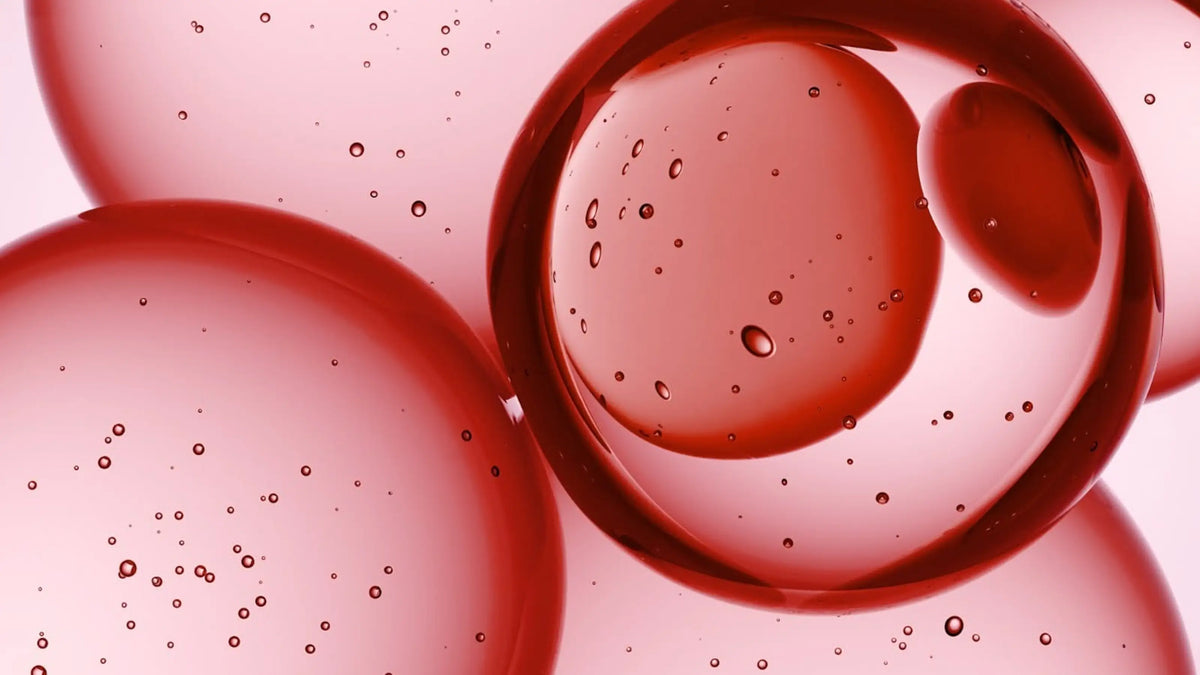
Exosomes are tiny vesicles that cells release into their environment. They are only around 30 to 150 nanometres in size, much smaller than a cell. Exosomes contain proteins, lipids and genetic information such as RNA. They act as messengers: they transport signals from one cell to another and can influence the behaviour of the receiving cell.
Where do exosomes in skincare come from?
The exosomes used in skincare and aesthetic treatments come from different sources:
- Plant-based exosomes: vesicles obtained from plants, for example from roses or fruits. Strictly speaking, they are often referred to as exosome-like vesicles.
- Exosomes from stem cell cultures: vesicles obtained from the culture medium of stem cells. This category is used particularly in aesthetic medicine.
- Exosomes from microorganisms: for example from probiotic bacteria or yeasts.
In the EU, cells, tissues and products of human origin are prohibited in cosmetics. Exosome cosmetics sold in the EU therefore usually contain plant-based or biotechnologically produced vesicles.
How are exosomes supposed to work?
The idea: exosomes transport signals to skin cells and are thus intended to support the skin's natural renewal processes. In laboratory studies, exosomes have been associated with:
- stimulation of collagen production
- a calming effect on stressed skin
- support of the skin's recovery after treatments
Exosome treatments vs. exosome serums
Treatments in aesthetic practices
In practices, exosomes are often applied immediately after microneedling or laser treatments, when the skin has fine micro-channels. This is intended to help the active ingredients penetrate deeper. Find out more about the procedure in our guide microneedling.
Exosome serums for home use
On intact skin, the skin barrier limits how far vesicles of this size can penetrate. How much of the effect observed in the laboratory actually takes place on the skin with home use has not yet been sufficiently researched.
What does the research say?
The research on exosomes in skincare is still in its early stages:
- Most findings come from laboratory and animal studies.
- There are only a few controlled studies on humans, often with small numbers of participants.
- Products differ greatly in source, purity and concentration, which makes comparisons difficult.
- Standardised quality criteria for exosome products are still lacking.
Our assessment: exosomes are an exciting field of research, but many of the promises made in advertising go beyond what has been proven so far. Look critically at product claims and seek medical advice before treatments in practices.
Proven care for firm, resilient skin
If you are interested in exosomes because you want to support the firmness and renewal of your skin, there are well-researched alternatives: peptides, hyaluronic acid, vitamin C and gentle retinol alternatives. You can find more about a similar trend in our guide PDRN.
Our products do not contain exosomes. Instead, we rely on documented actives:
- The Cross Lift Serum Ultrapeptide combines the peptides LIFTONIN-XPRESS and Syn-Ake with ChroNoline and supports firmer-looking skin over consecutive weeks.
- The THE BEST Night Mask with the MBR FibroBoost Complex and Hydranov-P cares for the skin overnight and supports a more resilient-looking skin surface.
If you are looking for suitable care after microneedling, take a look at our collection microneedling aftercare.
Frequently asked questions about exosomes
Are exosome serums safe?
Cosmetic products sold in the EU must be safety-assessed. Plant-based exosome serums are generally considered well tolerated. For treatments in practices, ask about the origin and quality of the product used.
Are exosomes the same as stem cells?
No. Exosomes are vesicles that cells release. They do not contain any living cells themselves.
Can exosomes replace professional treatments?
No. An exosome serum is a skincare product. It cannot replace medical or aesthetic treatments.

Share:
Dry Skin: Causes and How It Differs from Dehydrated Skin
Glass Skin: How to Achieve an Even Glow