

Chemical exfoliants have become an integral part of modern skincare. The two best-known groups are AHA and BHA. Both remove dead skin cells, but they work in different places and suit different skin types. Here you will find out how they differ and how to use them correctly.
What are AHA?
AHA stands for alpha-hydroxy acids, often called fruit acids. The best-known are glycolic acid, lactic acid and mandelic acid. They are water-soluble and work on the surface of the skin, where they loosen the bonds between dead skin cells.
- refine the skin's texture and make it look smoother
- help pigmentation and dark spots to fade
- support moisture retention, especially lactic acid
- suit dry, mature and sun-damaged skin
More about the intensive treatment with fruit acids can be found in our guide to the fruit acid peel.
What are BHA?
BHA stands for beta-hydroxy acids. The best-known representative is salicylic acid. Unlike AHA, BHA are oil-soluble. This allows them to penetrate the sebum in the pores and clear them from the inside.
- clear clogged pores and blackheads
- help to keep pores free and make them look finer
- have a calming effect on blemish-prone skin
- suit oily, combination and blemish-prone skin
AHA or BHA: which acid suits your skin?
Dry and mature skin
AHA are the better choice. They refine the texture, support moisture and help pigmentation to fade. The CytoLine Skin Refiner 100 combines glycolic acid with D-panthenol. The Overnight Refiner with glycolic acid and vitamin E works as a leave-on fluid overnight.
Oily and blemish-prone skin
BHA work where blemishes develop: in the pores. More about this in our guides to minimising pores and hormonal acne.
Combination skin
A combination of AHA and BHA covers both needs. The Beta-Enzyme combines alpha- and beta-hydroxy acids with a papain enzyme complex and refines the skin's texture.
Sensitive skin
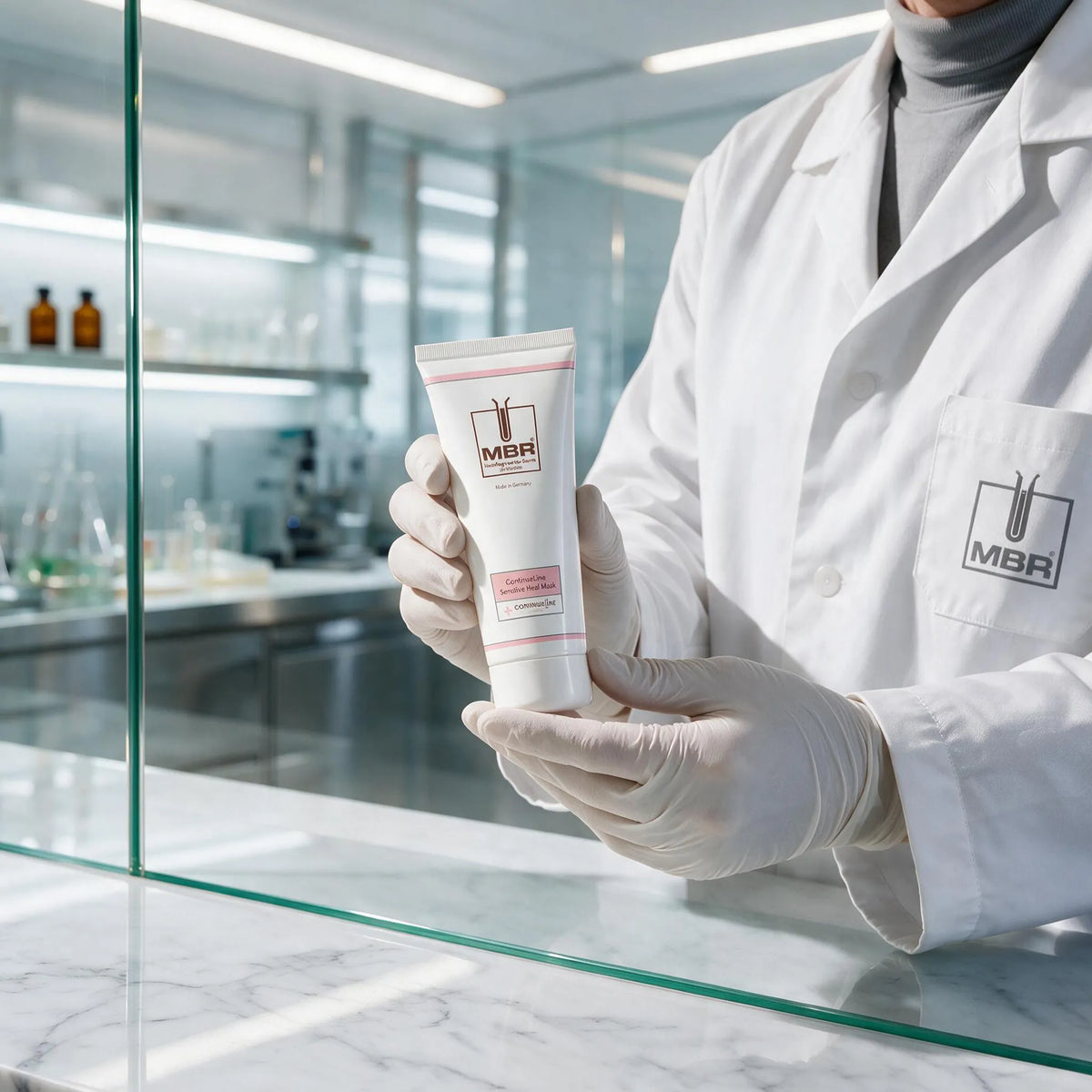
Sensitive skin often reacts to high acid concentrations. Gentle enzyme exfoliants are a good alternative. The ContinueLine Enzyme Specialist combines a papain enzyme complex with mild fruit acids and renews the surface of reactive skin. More gentle exfoliants can be found in our collection enzyme peeling.
How to use AHA and BHA correctly
Start slowly
Begin with two to three applications a week, preferably in the evening. If your skin tolerates the acid well, you can gradually increase the frequency. A slight tingling is normal. Burning, redness or flaking are signs that your skin needs a break.
Combine wisely
Do not use acids on the same evening as retinol or other intensive actives. Alternate them instead. Follow with a soothing, moisturising care. In which order to apply your products is explained in our guide skincare routine order.
Sun protection every day
Acids make the skin more sensitive to UV light. Daily sun protection is therefore essential when you use AHA or BHA. Suitable products can be found in our collection face sunscreen.
What acids have to do with the pH value of the skin is explained in our guide skin pH. How regular, gentle exfoliation contributes to an even glow can be found in our guide glass skin.
Frequently asked questions about AHA and BHA
Can I use AHA and BHA together?
Yes, many products combine both acids. If you use separate products, alternate them on different evenings to avoid irritating your skin.
Can I use AHA in summer?
Yes, as long as you use consistent sun protection. If you are exposed to a lot of sun, reduce the frequency.
What is the difference between an acid peel and an enzyme peel?
Acids dissolve the bonds between skin cells chemically. Enzymes break down the proteins of dead skin cells and are usually gentler. This makes them particularly suitable for sensitive skin.
Our selection of exfoliants with fruit acids can be found in our collection AHA peeling.

Share:
Minimising Pores: What Helps Against Large Pores?
Hormonal Acne: Causes & Care, Including From 40 and During the Menopause